

Historically natural gas has played an important role in a functioning home. A home’s gas line facilitates many appliances used in daily living. Many homes rely on natural gas as an efficient power source to run the furnace, gas stove, outdoor grills, gas fireplace, and even clothes dryer. If you have an existing line for gas to your home, you understand that it is one of the most energy efficient ways to power your appliances. It’s crucial for a home’s gas line installation needs to be done by professionals. The need for gas line replacement services or installation services are available through local companies like Intown plumbing.
Do you not currently use gas as a fuel source for your home? Are you considering investing in a new gas line installation? Do research to see how it will affect your monthly energy bill budget and how it can save money in the long term. Is electric cheaper or is a replacement service the way to go?
Who Do You Call for Installing New Gas Lines?
Plumbers are gas line installation experts. At Intown Plumbing we can repair gas line leaks or do a complete gas line replacement. We can install gas lines and work on a main supply line. We are a skilled replacement company. We will inform you of replacement cost factors. For your gas needs no matter how big or small, contact us for an honest price. A home’s gas line can be essential to your household.
Plumbers fix more than sinks, toilets, and other water and sewage related systems, appliances, and fixtures. Plumbers are also the most qualified professionals when it comes to installing gas piping and gas line replacement services and installation services.
Call a Gas Line Specialist
What if you have an issue with the gas line to your pool heater or fire pit, or need to install new gas lines? Who would you consider the gas line specialist to call? Would you call a plumber for gas line replacement services or would it be your local gas company?
Gas plumbers will know which type of pipe to use, such as a copper or brass pipe. They know what materials are safest and most effective to use for your gas line project. Plumbers are knowledgeable about the proper way to test and bury a gas line installation.
Professional gas line installation is crucial. When working or living with natural gas, safety is vital. A trained and licensed gas plumber can install gas pipes safely and efficiently. The correct gas line installation process will mean your home gas line is done right. That’s peace of mind for you and your family without worries of a faulty gas system.
Gas Plumbers Know Water and Gas Pipes
Plumbers know everything about different types of piping, from materials to installation methods. Many of the same pipes used in water and sewage plumbing are also used to run gas lines.
Our professional technician will know which pipes and pipe material are safest and most effective to use for your home. The highly skilled plumbers understand the proper way to install and bury them. It’s safe to say our plumbers know pipes better than most people. They will handle all your gas line services and answer all your gas line installation questions.
Plumbers are Gas Appliance Experts
In addition to our work with natural gas or propane piping installations, our plumbers also offer installation of new natural gas or propane appliances.
If you are installing new gas lines in your home, you are likely adding a few new appliances as well. It is recommended to have a plumber for professional gas line installation when installing the new gas appliance.
Talk with your plumber beforehand and explain what appliances and gas line services you would like to install. This way you won’t encounter problems.
Some appliances can have specific gas line requirements. It is helpful to tell your plumber what you are looking for from your natural gas lines upfront. This will help operate appliances properly. They will need to know if it will be a complicated installation. Will you need a line installation and replacement?
What are the Advantages of a New Gas Line Installation?
The advantages of a natural gas installation are abundant. Natural gas is reliable, cost-effective, convenient, and clean.
As a homeowner, a natural gas line can save you up to 40% over the cost of using electricity.
Gas line installation experts can install a new gas line for your pool heaters, water heater, fireplaces, fire pit, gas stove, gas dryer and many other places. Any type of gas line install should never be a do it yourself project. A gas line functioning properly equals a safe home environment. Leave all your gas line installation needs to the experts.
The initial cost of gas line installation and replacement services and purchasing gas appliances may be high. However, a big consideration is that the running cost factors are generally lower.
Additional Advantages
Once the cost to install, labor cost, and material costs are out of the way, the running costs are usually significantly lower. In the end, natural gas may be a cheaper option to electricity.
Convenient and Available
Gas lines are installed below ground making them less prone to disruption of supply. You can enjoy the benefits of gas energy in your home even when there’s a storm or blackout.
It’s convenient to not have to worry about running out of fuel or exchange an empty gas cylinder or propane tank for refills.
Efficient
Natural gas is efficient when you’re cooking, running your gas appliances, using your water heater, or heating your home. It provides direct heat ideal for using both indoors and outdoors, and actually produces more heat than other sources.
The equipment and appliances that run on natural gas consume less energy than electric ones. These include your water heater, furnace, and laundry.
Cost-Effective
Generally speaking, appliances in your home that run on natural gas use less money to operate making your utility bills lower.
Environmentally Friendly
Natural gas releases less CO2 emissions into the air and makes it easier for you to breath. It burns very clean.
Safer
A gas cylinder or propane tank can catch fire and may risk bursting if not well handled. With natural gas, you can switch off your main line gas connection from a safe distance.
When is a New Gas Line Installation Needed?
Homeowners may need a new gas line replacement installation or gas line repair for any number of reasons, such as a home repair or new home build. Upgrading the home to include gas appliances or eliminate old or corroded gas lines could also necessitate installing new gas lines. Here are some of the most common reasons for new gas lines:
- If you are installing newer, more modern gas appliances.
- Switching from electric appliances to gas.
- For replacement lines or repair gas pipes that are old and deteriorating.
- During the construction of a new home or addition to your current property.
- If you have an old appliance that needs the gas lines replaced.
- When there is a leak from a faulty gas line.
Gas Line Installation Cost
Several key factors affect the cost of a new gas line or gas line replacement installation. First, understand the basics of your existing configuration starting from the main supply line.
Converting from electric to natural gas or propane, or adding appliances will always require new pipes. Your final costs depend on if you have existing gas lines in place or need new gas lines installed from the gas supply to the house.
The indicative cost determinant depends on the number of appliances and the distance from the gas supply. Costs can vary dramatically based on the complexity of the install, and what size pipe and connections each appliance needs. Line installation and replacement vary depending on these factors.
Costs also vary based on how much work is required. Preparing the site, digging, the trench, and filling the trench can be both time consuming and complicated.
Contact your gas supplier and ask about application fees, initial inspection costs, and a connection fee.
What are Some Common Gas Line Problems?
For homes heated with natural gas, one of the most important aspects is maintaining and repairing gas line problems before they create a safety concern. Routine inspections can determine a problem which could prevent higher cost of a new line installation and replacement. This will ensure the gas line works efficiently.
Some of the most common issues that impact gas lines include:
- Cracked seals as a result of the gas line drying out.
- Incorrectly sized fixtures and gas fitters.
- Old, worn out joints or connectors that are deteriorating.
Blockages and Valve Issues
Blockages and issues with shut off valves or gas fitters are other common problems people experience with their gas lines.
Blockages in the gas pipe can be caused by contaminants building up in the gas line or by debris in the access point. This results in a failure of the gas flow to the appliances. You won’t be able to use gas in your home if you have a blockage.
Sometimes, it will just slow down the functioning rather than prevent it. Valve issues can create blocks or leaks. Valves are easy to replace, but if they’re causing a leak, you will need to deal with the problem immediately.
Signs of a Gas Line Leak
Many factors can contribute to a gas line leak. There may be damage to an existing gas line from construction digging or damage from an extreme weather event. Homeowners should look out for the following signs of a gas leak in your home’s existing gas line.
Smelling Rotten Eggs
Gas companies put an additive in natural gas to make it smell bad and therefore be more detectable in case of a leak. Without the additive, gas is a colorless, odorless fume.
Hissing Sounds
If the line has been punctured, you may hear a hissing sound of the gas escaping the gas pipe.
Dead Plants or Grass
A broken gas pipe underground will cause the vegetation and grass in the area to die and turn brown.
Air Bubbles
If you see bubbles in standing water, including puddles and mud, it may be a sign of natural gas dispersing through the soil and into the surrounding air.
Other Signs
Family members showing symptoms of natural gas poisoning.
Gas bill is higher and gas usage is up.
A padlock on your gas meter. If the local gas company detects a leak they will come and shut off your gas, occasionally without even notifying you.
Here is a graphical overview of the common signs:

What Not to do if You Suspect a Gas Line Leak
Using your sense of sight, smell, and sound can help you recognize a suspected leak. Here are some things NOT to do when you suspect a gas piping leak:
- Do not enter a home or building if you smell a strong odor of natural gas.
- Do not smoke, make a spark, or any flame.
- Do not turn on any electrical switches, appliances such as an electric stove, or lights. The electrical charge can create a spark.
- Do not move, raise, or lower windows, or use any phones inside the premises.
- Do not open your garage door.
Know How to use Your Shut Off Valves
Every home that uses natural gas has a gas shut off valve, usually located outside the home. Make sure everyone who lives in the home knows where the shut off valve is located and how to use it.
Things to Know
Cutting off the supply of gas using the shut off valve prevents additional gas from escaping and helps prevent exposure to gas.
Even with the gas value turned off, do not go back in the house if there’s a gas leak. Call 911 and wait for help.
If you suspect your gas line has been damaged, or is in need of repair, call a plumber. If possible, shut off the appliance gas valves.
Annual Gas System Inspections
Gas lines wear down and become corroded, especially around connections leading to the oven or water heater. Corrosion will continue until there is a gas line leak, so if you spot any corrosion on your pipes, you should consider gas line repairs before it becomes a problem. Some exposure of gas lines is inevitable for new line connection purposes. If you see a line that has been exposed due to erosion or severe weather, you should call a plumber to inspect it.
The gas company is responsible for maintaining the gas lines up to the gas meter, and the homeowner is responsible for everything else.
Gas Line Inspection
Having a regular natural gas line inspection is very important in maintaining the safety of yourself and your family. Homeowners should plan on having an annual inspection of your main line. Just like other parts of your home, things can go wrong with your gas lines. Gas lines from your gas meter to your appliances should be regularly inspected, to ensure the safe delivery of natural gas to your gas run heating system and home.
In order to properly test a gas line, your plumber must put pressure on the line, also called a pressure test. The pressure test will identify any leaks within the gas line, requiring the homeowner to repair gas lines.
Gas Supply Line Pressure Testing
Gas pipe systems rely on pressure to deliver natural gas. Gas flows from higher to lower pressure. After the natural gas is extracted, it travels along a highway-like system of pipes to end up in distribution systems that bring the gas into your home.
Natural gas supply line pressure testing ensures that the natural gas entering your home is at the right pressure. This testing is usually done at the gas utility meter and requires a temporary installation of a gas pressure gauge to perform.
Benefits of a Gas Line Safety Check
Ensure your Equipment is Running Efficiently
A gas safety check will uncover clogs, blockages, leaks and worn parts. Cleaning and replacing these will help your equipment run better, which is more efficient and could extend the life of your appliances.
Prevent Carbon Monoxide from Entering your Home
Carbon monoxide that enters your home is a dangerous, and possibly even deadly health threat. A gas safety inspection will prevent potential problems.
Find Issues Before They Get Worse
If a problem is caught early, a quick fix can prevent a larger gas line replacement cost. For safety and health, hire a professional and stop expensive line installation and replacement services.
Gas Line Installations Should Be Done by Professionals
Gas line installation is not a task to take on as a DIY project. The risks of making a mistake far outweigh the costs of hiring a professional plumber.
A licensed plumber should install a gas line as they have the proper training and licensing. To avoid gas leaks, they will replace rusting pipes, wrong materials, and loose fittings. They will follow the local building codes and ensure the installation process follows those laws.
Risks Involved
Working with gas lines is different from working with water lines. Mistakes hooking up water lines may only result in low water pressure or a leak from a loose-fitting. It is not too dangerous. On the other hand, gas line installation mistakes can be extremely hazardous, even fatal. Do not do it yourself!
The main reason why you should call a professional plumber is safety for yourself, your family, and even your neighbors. A leaking gas line is a very dangerous health hazard, with the potential for explosions and fires. You should only allow licensed professional plumbers to install a gas line or handle your gas line repairs.
Professional Gas Line Services
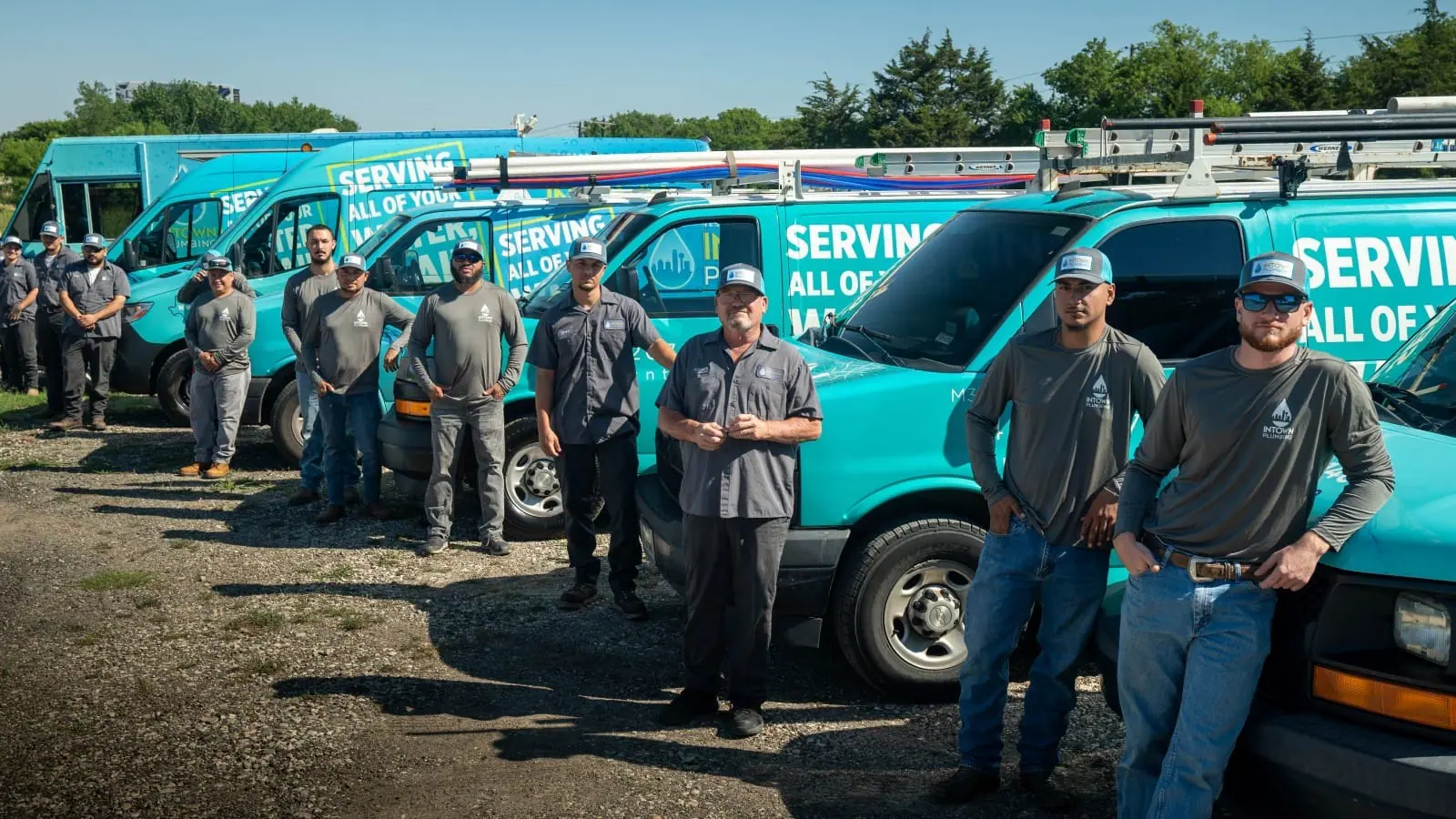
While there are plenty of DIY projects around the house, gas line work should always be left to qualified professionals. At Intown Plumbing, we specialize in comprehensive gas line services including installation, repair, maintenance, and inspection throughout Rockwall and surrounding areas. Our licensed technicians have the expertise and specialized equipment to handle all gas line work safely and efficiently while ensuring full compliance with local codes. Contact our gas line specialists today for reliable service that guarantees your family’s safety.
Gas Line Installation
Expert installation of new gas lines for appliances, outdoor features, and home additions.
Gas Line Repair
Fast, safe repairs for gas leaks, damaged pipes, and connection issues.
Inspection Services
Thorough gas line inspections to identify potential hazards before they become dangerous.
Service Coverage Areas
View full list of service areasSchedule An Appointment
Plumbing is such an important investment. Interested in having Intown Plumbing provide a quote for your project? We will work with you to provide upfront pricing. We can help with proper permits, and the permit process. We can evaluate a home’s gas line issue. We can replace electric stoves with gas stoves. We can install a main line connection. We will provide installation and replacement cost estimation service with free estimates including labor costs and common cost factors involved. We offer emergency services. We offer personalized solutions and appropriate expertise. For professional gas line installation, call you local experts. Schedule a work request online.


